



The Complete Guide to Bathroom Renovation in London
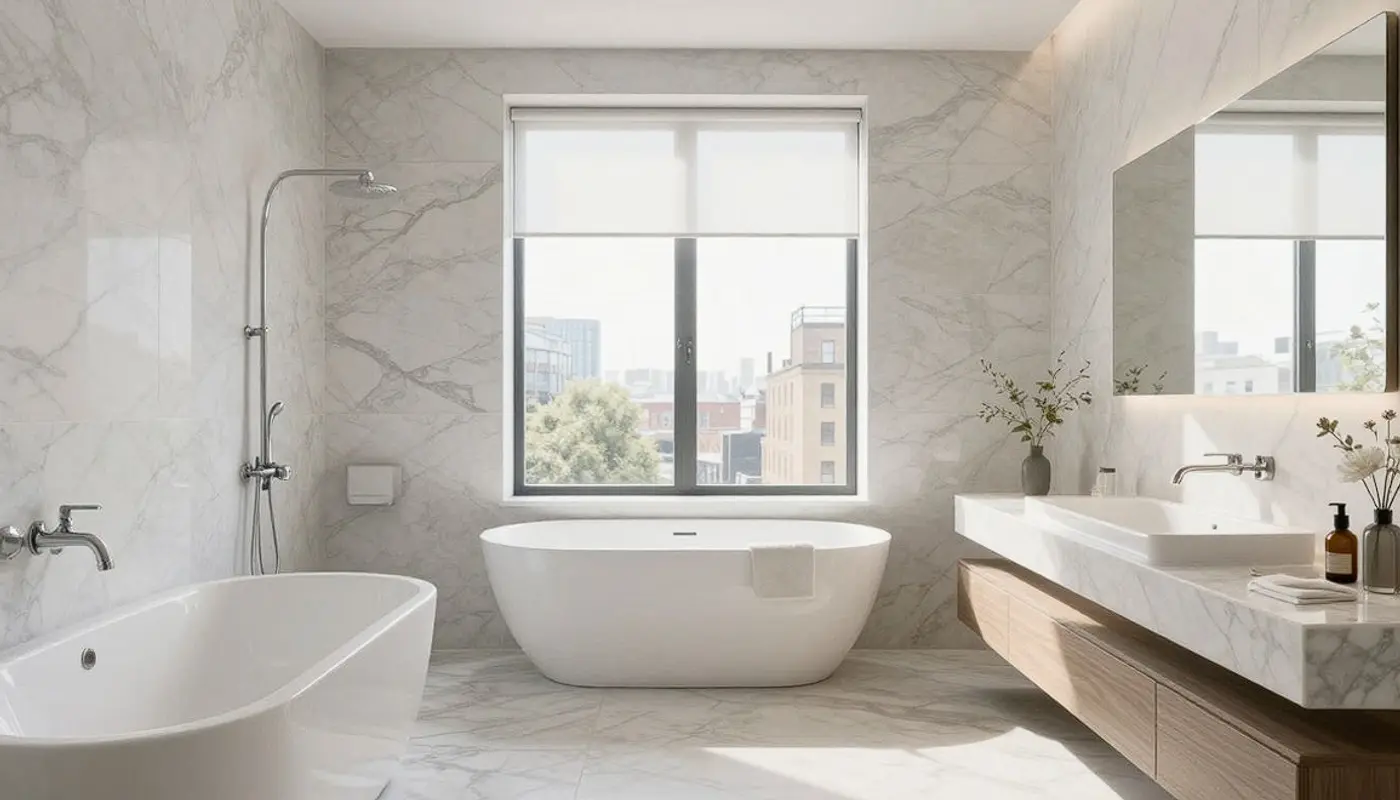
Everything you need to know about planning a bathroom renovation in London, from design and materials to costs, regulations, and choosing the right contractor.
Related: bathroom renovation in London.
Key Takeaways
Starting a bathroom renovation is an exciting journey that requires careful preparation and a clear understanding of the local market to ensure a successful outcome. Follow these essential points for your project.
- Evaluate your current space to determine what functional changes are necessary before starting design work.
- Establish a firm budget early while incorporating a contingency fund for unforeseen structural repairs.
- Research local building regulations and planning requirements specifically for London boroughs to avoid compliance issues.
- Prioritise high-quality craftsmanship when selecting specialists to ensure your bathroom is built to last.
- Balance aesthetic preferences with practical space-saving solutions suitable for London architecture.
Planning your bathroom renovation in London
A successful project begins with a clear understanding of your property's unique characteristics. Taking time to map out your needs avoids future regret and ensures the renovation adds genuine value to your home. Whether you are aiming for a spa-like retreat or a highly efficient functional washroom, the prep work is essential.
Assessing your current bathroom space
Begin by looking at your current layout and identifying pain points like poor water pressure, lack of storage, or outdated fixtures. A professional renovation guide can help you decide which elements must be stripped entirely and which can be repurposed. It is often wise to consider the structural limitations of period properties, as plumbing access can be quite restricted in older buildings.
Defining your project goals and requirements
Clearly articulate what you hope to achieve, such as converting a tub to a shower or upgrading to energy-efficient lighting. When you work with pros like Nemo Group UK, they will often sit down to review your vision and align it with what is physically feasible. You should create a list of non-negotiables, such as double vanity sinks or specific heated flooring, to help guide the architect or designer.
Setting a realistic project timeline
Renovations in the city frequently face delays due to supply chains or unexpected heritage building requirements. You should always ensure that you have enough buffer time in your schedule to account for these potential setbacks. Aim for a timeline that is communicated clearly by your contractor, keeping in mind that high-quality finish work simply cannot be rushed.
Understanding costs and London pricing trends

Navigating the financial side of a bathroom project can seem daunting given the capital's high cost of living. Understanding the typical price ranges provided in a comprehensive pricing guide will help you avoid sticker shock. You need to be aware of the difference between basic refreshing and a total gut renovation, as these involve very different price points.
✓ Breaking down labour versus material expenses
| Item Category | Estimated Percentage |
|---|---|
| Fixtures and Sanitaryware | 35–45% |
| Skilled Labour and Management | 35–40% |
| Tiles, Finishes, and Coatings | 10–20% |
✓ Factoring in VAT and London-specific premiums
Keep in mind that all quotes from reputable contractors will include VAT, which is a mandatory addition that should always be confirmed. London also carries a premium due to the sheer operational costs of working in the city, from parking permits for skip placement to specialist transportation for stone materials and tiles.
✓ How to set a contingency budget for unexpected findings
It is common practice to set aside at least 15 to 20 percent of your total budget for those hidden surprises that only appear once walls are opened. During any bathroom renovation london project, you might uncover legacy plumbing or electrical issues that require immediate attention. Having the funds ready ensures that your project does not stall while waiting for additional approvals.
Navigating planning permission and building regulations
Most bathroom upgrades fall under permitted development, but listing status or major structural changes can quickly complicate the process. Engaging with local borough office requirements early prevents legal headaches later. Compliance is not just bureaucratic; it ensures your home remains safe and insurable.
✓ When to apply for planning permission in London boroughs
If you reside in a period home or a conservation area, you may need specific consent before altering floor plans or moving soil pipes. You must always check your building's history before ordering custom fixtures that rely on structural site changes. Consulting a specialist firm like Nemo Group UK can save you from accidentally breaching local heritage rules.
✓ Complying with Part P electrical and Part G water regulations
Safety is paramount when electricity meets water, so all work must meet strict national standards. You should ensure your installer is registered to certify their electrical work, essentially protecting against moisture-related failures. These regulations are designed to keep you safe and prevent long-term damage that impacts resale value.
✓ Ensuring proper ventilation and drainage standards
Proper airflow is the most common issue in city apartments, leading to condensation and mould. You must ensure your mechanical extraction system meets the latest building requirements to preserve your finish quality. Proper drainage slope is equally essential to prevent water pooling, a common oversight in DIY-heavy renovations.
Choosing the right design for your London home

Selecting your aesthetic is the most enjoyable part of the process, though it needs to be grounded in functionality. Whether you choose a classic look or something sleek, your choices will define the character of the space for years to come. Design choices such as small bathroom ideas are perfect for working within tight constraints.
◀ Maximising space in period properties
To make the most of your area, consider wall-hung toilets and vanity units to create a sense of floor-space openness. Using light-reflecting materials can help visually expand the room, while built-in shelving keeps surfaces clear of clutter. Many high-end London bathroom designs focus on these smart storage solutions to combat limited square footage.
◀ Comparing modern versus traditional design aesthetics
Deciding between a clean, minimal aesthetic or a more traditional look depends on your home's inherent character. Modern bathrooms often utilise large-format tiles and frameless glass to create an airy feel, whereas traditional bathrooms might lean into brass finishes and heritage-style sanitaryware. Mixing these styles can create a unique transitional space that feels both current and timeless.
◀ Incorporating sustainable and water-efficient fixtures
Modern plumbing technology has made it easier than ever to conserve water without sacrificing shower pressure. You should look for aerated showerheads and dual-flush mechanisms as standard inclusions in your design. These choices contribute to a more sustainable home while simultaneously lowering your long-term utility costs.
Sourcing materials and fixtures in the capital
London offers access to a massive variety of high-end suppliers and boutique showrooms. When sourcing, you should balance quality with lead times to prevent your project from idling. It is often wise to work with a team that has existing supplier relationships for better pricing and priority shipping.
Visiting local London showrooms for inspiration
Nothing beats seeing materials in person to check tile texture or the finish on brass taps. Showrooms allow you to compare various porcelain types or stone slabs that might appear differently on your screen. You should also gather samples to test how your chosen colour palette looks under your bathroom’s specific lighting.
Balancing luxury brands with budget-friendly alternatives
It is perfectly possible to mix big-ticket luxury items with more standard fixtures to hit your budget targets. You might consider splurging on a signature focal-point bathtub while opting for more modest but highly durable taps and vanity units. This strategy keeps your costs manageable without sacrificing the overall impact of the new space.
Managing lead times for imported tiles and sanitaryware
Imported materials can face significant shipping delays, which can derail your installation schedule if not managed correctly. You should ideally finalise your orders months in advance, especially for bespoke items or specific tile runs. Working with a professional team helps ensure these materials arrive at the site just in time for your build.
Selecting professional bathroom installers
Choosing the right builder is the single most important decision for protecting your investment. You need a team that respects your home, keeps a tidy site, and maintains honest communication throughout the process. The right partner should be able to provide comprehensive renovation services that cover the entire build from start to finish.
Verifying contractor credentials and insurance
Before signing a contract, confirm that your installer carries comprehensive public liability insurance and appropriate trade certifications. You should ask to see documentation regarding their experience with similar historic London properties, as these often require specific knowledge. A professional will have these documents ready without hesitation.
How to review past projects and local references
Look for a portfolio of diverse projects to confirm your installer has experience with the style and complexity of your requirements. Directly asking for references allows you to hear about how the builder handles unexpected issues or changes to the plan. A positive track record in your specific borough is a strong indicator of reliability.
Writing a clear scope of work and payment schedule
Your written agreement should outline every detail, from the exact brand of grout used to the precise dates for stage payments. Never rely on verbal agreements; a detailed scope of work keeps both parties accountable throughout the project. This contract ensures that everyone understands expectations, preventing disputes later.
Conclusion
Achieving your dream bathroom in London requires a blend of thoughtful design, diligent planning, and the right professional support. By focusing on quality materials and understanding the specific regulatory standards of the capital, you can create a beautiful, durable space that enhances your daily comfort and long-term property value.
Frequently Asked Questions
Most full-scale renovations take between two to four weeks depending on the complexity of structural work and the availability of materials.
While it depends on the project size, many homeowners remain in their property if they have a second washroom, though renovation areas will be off-limits.
While you can source items yourself, professional installers often get trade discounts and can handle the logistics, which often offsets the cost of buying fixtures independently.
Yes, all bathrooms must comply with national building regulations concerning ventilation, electrical safety, and drainage, regardless of which London borough you reside in.
Underfloor heating is highly efficient and valuable in compact spaces where traditional radiators would take up too much wall room.
If you plan to move the toilet or shower drain significantly, you will likely need to adjust the floor or plumbing stack, which qualifies as a structural change.
Most modern buyers prefer a high-quality, spacious shower experience, but keeping at least one bathtub in the property is generally recommended for families.
Share this article
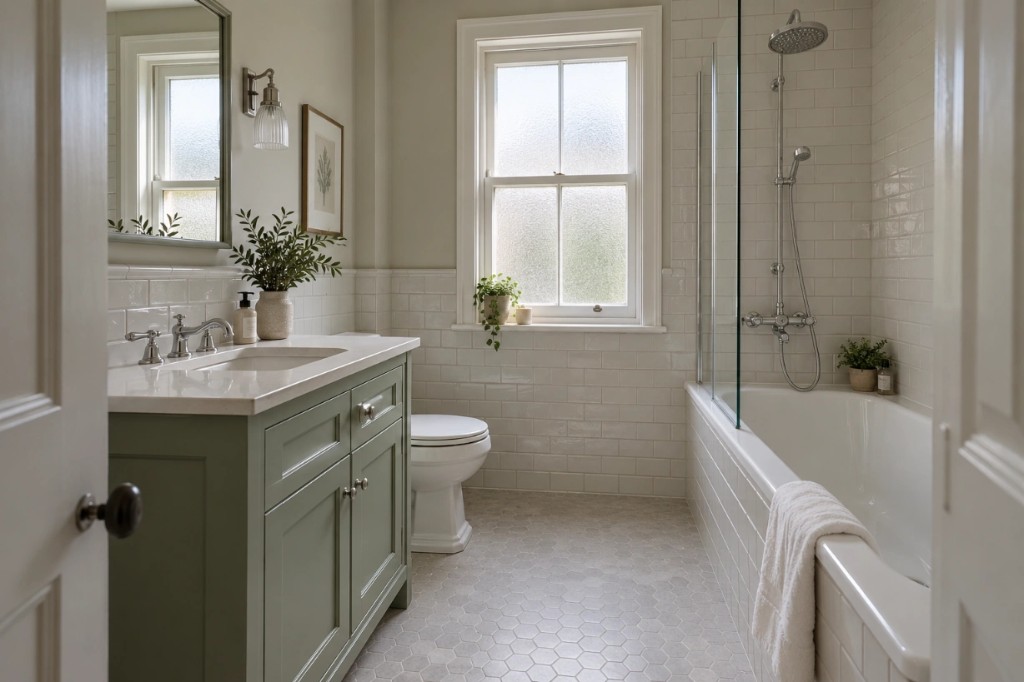
Bathroom Renovation in London
Bathroom renovation and refurbishment in London. Nemo Group UK updates tired bathrooms, redesigns en-suites and replaces awkward bath or shower layouts.
View this serviceRelated articles

Why Some Renovation Companies’ Portfolios Look More Established Than Others — And What That Actually Signals
Scroll through enough renovation and interior design accounts on Instagram and a pattern emerges fast. Some pages feel alive — a steady run of before-and-afters, genuine comments underneath, photos from a dozen different London postcodes. Social Proof · London …
Party Wall Agreements: What London Homeowners Need to Know Before Extending
A clear, 2026 guide to the Party Wall etc. Act 1996 — when it applies, what it costs, and how to stop it derailing your extension timeline. Planning Guide · Party Wall Agreements Party Wall Agreements: What London Homeowners Need to Know Before Extending …

Permitted Development Rights Explained: What You Can Build Without Planning Permission
A clear, 2026 guide to what London homeowners can legally build without a planning application — and where the rules quietly change street by street. Planning Guide · Permitted Development Permitted Development Rights Explained: What You Can Build Without Planning Permission A clear, 2026 …





Comments 0
No comments yet. Start the conversation below.